Are Counter Height Bar Stools More Cost-Effective for Restaurant Owners?
Restaurant owners think about food costs, labor percentages, and rent per square foot. Seating, however, quietly shapes all three. The choice between standard dining chairs and counter height bar stools is not just aesthetic. It influences turnover rate, layout flexibility, guest behavior, and long-term maintenance costs.
Counter-height bar stools, typically designed for 36-inch counters, have become more common in fast-casual spaces, modern cafés, and hybrid bar-dining concepts. In the United States alone, there are more than one million restaurant locations, and a growing percentage are shifting toward flexible layouts that maximize square footage. With average commercial rent in urban markets often exceeding $30 per square foot annually, every inch matters.
So the real question is simple. Do counter height bar stools actually save money over time?
Space Efficiency That Impacts Revenue
Walk into a compact café during lunch rush and you will notice something. Counter seating fits more guests along a single wall than traditional tables ever could.
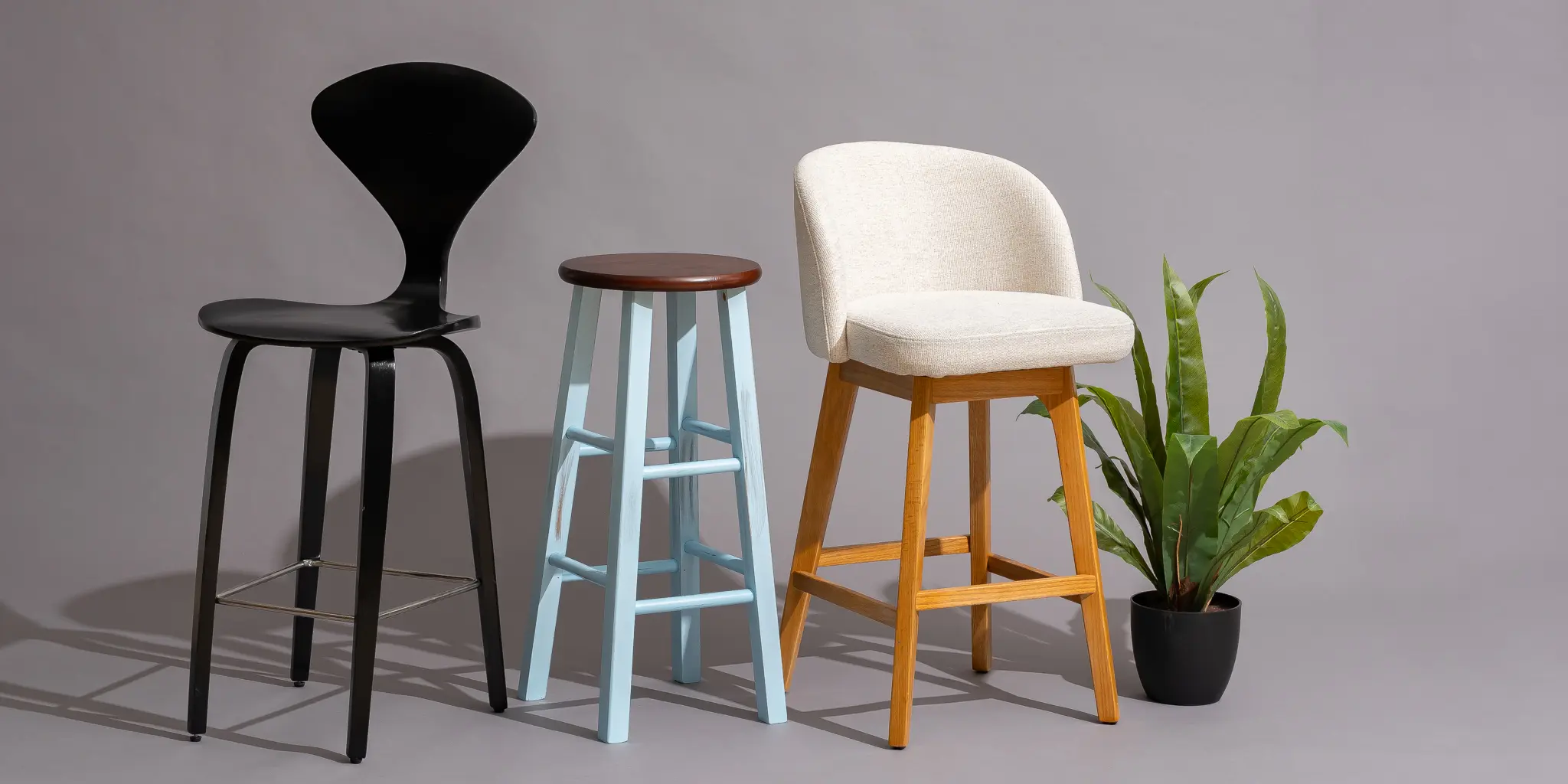
Counter height bar stools allow owners to:
- Seat more guests in the same footprint
- Turn narrow walls or window areas into revenue generating zones
- Reduce the need for large base heavy table setups
Because counter seating requires less depth than standard dining tables, it increases usable capacity. In many urban restaurants, adding even four extra seats can mean thousands of dollars in additional monthly revenue. If your average guest spends $20 and you turn those seats three times per day, that small layout decision can generate significant annual gains.
More seats, when planned correctly, often translate directly into higher top line performance.
Lower Material and Installation Costs
Standard dining setups require full-size tables, larger bases, and more floor anchoring space. Counter height solutions are often simpler.
A typical commercial dining table base may weigh 30 to 50 pounds and require careful leveling. Counter installations, especially those built into existing walls or bars, can reduce the number of freestanding bases required.
With counter height bar stools, the investment often shifts toward durable frames and reinforced footrests rather than large table structures. Over time, fewer heavy components can mean:
- Lower shipping costs
- Faster installation
- Reduced floor damage from constant rearranging
For restaurant owners working within tight startup budgets, even moderate savings per seat add up quickly when ordering 40 to 60 units.
Turnover Speed and Guest Behavior
Seating influences how long people stay.
Traditional restaurant chairs with plush cushions encourage longer meals and extended conversations. Counter-height barstools create a slightly more upright posture. That subtle ergonomic difference affects dining patterns.
In quick-service and fast-casual environments, faster turnover directly improves revenue per seat. Industry benchmarks often measure revenue per available seat hour, and posture affects that metric.
Counter seating tends to support:
- Shorter average visit durations
- Higher lunch hour rotation
- A more casual, flexible dining atmosphere
Of course, this depends on your concept. A fine-dining restaurant aiming for two-hour tasting menus would not benefit from this structure. But for high-volume concepts, the math often favors counter-height setups.
Durability and Maintenance Over Time
Commercial furniture must survive heavy daily use. According to industry data, a busy restaurant chair can experience thousands of sitting cycles per month. Counter-height bar stools, particularly metal-framed or solid-wood models, are engineered for vertical load distribution and frequent footrest contact.
Maintenance costs often determine long-term profitability more than the initial purchase price.
Counter height bar stools frequently offer:
- Simplified construction with fewer upholstery panels
- Easier floor cleaning access
- Less fabric wear compared to fully upholstered dining chairs
Because they expose more floor space underneath, janitorial teams can clean faster, reducing labor time during closing shifts. Even small reductions in cleaning time can lower monthly payroll expenses.
Flexibility in Modern Restaurant Concepts
Dining trends are shifting. Hybrid work culture, solo diners, and grab-and-go customers are reshaping restaurant layouts. Counter seating supports these behaviors.
Guests who dine alone often prefer bar-style seating. It feels less isolating and more dynamic. In fact, single-person households now account for nearly 30 percent of U.S. homes, and restaurants are adapting to serve more solo customers.
Counter height bar stools make it easier to:
- Convert spaces from day café to evening wine bar
- Host informal tasting events
- Adjust seating layouts without full redesigns
Flexibility reduces renovation frequency. Renovations are expensive. A single moderate remodel can exceed $100,000 in many markets. Furniture that adapts delays those costs.
When They May Not Be the Most Cost-Effective Choice
Cost effectiveness always depends on brand positioning.
Upscale restaurants focused on comfort driven experiences may see higher check averages with plush seating. Families with children often prefer standard tables for stability. In those cases, counter height bar stools may limit audience appeal.
Additionally, poorly built stools can wobble or require frequent tightening. Choosing commercial grade materials is essential. Cutting corners on frame strength can increase replacement cycles, eliminating any initial savings.
The key variable is not stool height alone. It is quality.
The Real Cost Equation
To understand cost effectiveness, owners should calculate:
- Cost per seat
- Revenue per seat per hour
- Expected lifespan of furniture
- Maintenance and cleaning labor impact
- Flexibility value over time
When you multiply these variables across dozens of seats, the difference becomes measurable.
In fast casual, coffee, and modern casual dining environments, counter height bar stools often prove more cost effective because they increase capacity, encourage faster turnover, and reduce structural material expenses. In formal dining concepts, traditional seating may generate stronger long term returns through elevated guest spending.
Seating Strategy Is a Business Decision
Furniture is not decoration. It is infrastructure.
Counter height bar stools represent a strategic tool, not just a style preference. When chosen carefully, built to commercial standards, and aligned with your concept’s revenue model, they can lower startup costs and improve ongoing profitability.
Restaurant owners who evaluate seating through a financial lens often uncover opportunities hidden in plain sight. Sometimes, the smartest investment is not adding more square footage. It is simply rethinking how you use the space you already have.
In a business where margins often sit between 3 and 5 percent, even small operational improvements matter. Counter height bar stools may not be the answer for every concept, but for many modern restaurants, they quietly deliver measurable economic value.