
How Bottled Juice Production Keeps Fresh Flavor and Stable Quality
Fresh juice is one of the most popular beverage products in the food market. From orange juice and apple juice to mixed fruit drinks, consumers care about taste, nutrition, safety, and packaging quality. For juice brands, good production is not only about selecting fresh fruit. It also depends on hygienic processing, accurate filling, reliable sealing, and consistent quality control.
A modern juice filling line helps food manufacturers produce bottled juice with higher efficiency and better stability. It connects several key steps, including bottle rinsing, juice filling, cap sealing, labeling, and packaging. When each process works smoothly, the final product can keep a fresh appearance and meet market expectations.
Juice Quality Starts Before Filling
Before juice enters the bottle, raw materials must be carefully selected and processed. Fruits should be washed, sorted, crushed, pressed, filtered, and sometimes pasteurized. These steps help remove impurities, reduce microbial risks, and create a cleaner juice base.
Different juice products may need different processing methods. Clear juice usually requires fine filtration, while cloudy juice may keep more pulp and natural texture. Some products also add sugar, vitamins, or flavor blends. No matter the formula, stable preparation is important before filling begins.
If the juice is not well prepared, even advanced packaging equipment cannot solve problems such as sediment, color change, poor taste, or short shelf life.
Why Filling Accuracy Matters in Juice Production
Filling accuracy affects both product quality and business cost. If bottles are underfilled, customers may feel disappointed. If bottles are overfilled, the factory wastes juice and increases production loss.
A good juice filling line can control the filling volume more accurately and reduce liquid dripping. This is especially important for high-volume production, where small filling errors can create large material waste over time.
For juice products, foam control is also important. Some juices create bubbles during filling, especially those with pulp, sugar, or natural fruit acids. Proper filling technology helps reduce foam, maintain bottle cleanliness, and improve the final look on the shelf.
The Role of Bottle Rinsing, Filling, and Capping
Bottle hygiene is a key concern in beverage production. Before filling, bottles need to be cleaned to remove dust, particles, or storage contamination. After rinsing, the juice should be filled quickly and sealed tightly to reduce exposure to the outside environment.
A rinsing filling and capping machine combines three important processes in one system. It rinses the empty bottles, fills the juice, and caps the bottles in a continuous workflow. This structure helps save space, reduce manual handling, and improve production efficiency.
For food factories, this type of machine is useful because it supports cleaner production and more stable output. It also helps reduce the risk of secondary contamination between different production steps.
Packaging Helps Protect Juice Freshness
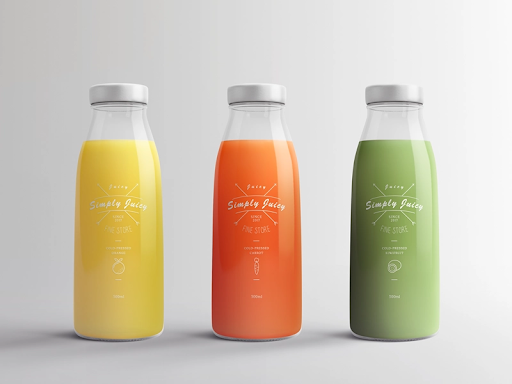
Packaging is more than a container. It protects juice from air, light, leakage, and outside contamination. PET bottles, glass bottles, and other packaging options can be selected according to product position, shelf life, transportation method, and brand style.
For cold-chain juice, packaging should support freshness and easy refrigeration. For shelf-stable juice, sealing quality and heat resistance may be more important. A strong cap seal helps prevent leakage during storage and delivery.
The bottle shape and label design also affect customer choice. Clean packaging, clear labeling, and stable liquid level can make the product look more professional in supermarkets, convenience stores, and online sales channels.
Food Safety and Production Cleanliness
Juice is sensitive to temperature, microbes, and processing conditions. Therefore, food safety must be controlled throughout production. Equipment surfaces that contact juice should be easy to clean and made from food-grade materials.
Regular cleaning and sanitation help prevent contamination and flavor mixing between batches. Many factories also use CIP cleaning systems, filtration devices, and temperature control systems to keep production safer and more stable.
Operators should also check caps, bottles, filling valves, pipelines, and seals. Small problems in these areas may lead to leakage, spoilage, or customer complaints.
Choosing the Right Juice Production Solution
Different juice factories have different production needs. A small juice brand may focus on flexible batch production, while a large beverage company may need high-speed automatic filling. Product type, bottle size, filling capacity, juice viscosity, and hygiene requirements all affect equipment selection.
Before choosing equipment, manufacturers should confirm daily output, bottle material, cap type, juice formula, and available factory space. A suitable production system can help reduce labor cost, improve consistency, and support future capacity expansion.
Conclusion
High-quality bottled juice depends on fresh ingredients, clean processing, accurate filling, and secure packaging. For food manufacturers, a well-designed juice filling line can improve production efficiency and product consistency. A reliable rinsing filling and capping machine also helps connect bottle cleaning, filling, and sealing into one smoother process.
As juice products continue to grow in supermarkets, restaurants, convenience stores, and online channels, stable production technology will become even more important. Brands that control both flavor and packaging quality can build stronger trust with customers and stay more competitive in the beverage market.