
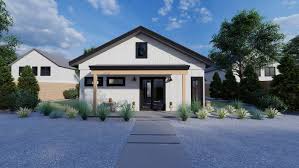
How to Build an ADU in Colorado: Rules and Costs
Accessory Dwelling Units (ADUs) are becoming increasingly popular in Colorado as homeowners seek additional rental income, multigenerational living solutions, or simply more functional space. Whether you want to build an ADU in Denver, Boulder, Colorado Springs, or a smaller town, there are specific regulations and costs you need to consider. This guide will help you understand the key rules, zoning laws, and estimated costs involved in building an ADU in Colorado.
What is an ADU?
An Accessory Dwelling Unit (ADU) is a secondary housing unit on the same lot as a primary residence. ADUs can be:
- Detached (a standalone tiny home or cottage)
- Attached (a home addition or basement apartment)
- Garage Conversions (turning an existing garage into a living space)
Each type has its own regulations depending on the city or county you are in.
Colorado ADU Laws and Regulations
ADU regulations vary by city and county, so it’s crucial to check with your local zoning office before starting construction. However, here are some general rules to keep in mind: If you’re considering expanding your living space, A2Z Builders offers expert ADU addition services to help you navigate the process smoothly.
1. Zoning and Permitting
- ADUs are allowed in many Colorado cities but are not legal in every zone.
- Some cities, like Denver and Boulder, have embraced ADUs, while others may have stricter zoning laws.
- You must apply for a zoning permit before construction begins.
2. Owner-Occupancy Requirements
- Many cities require the property owner to live in either the main house or the ADU.
- Renting out both the primary home and ADU as separate units is often prohibited.
3. Size Limits
- ADUs typically must be smaller than the primary home.
- In Denver, detached ADUs are limited to 650-1,000 sq. ft., depending on lot size.
- Boulder allows up to 800 sq. ft., and other cities have similar restrictions.
4. Parking Requirements
- Some cities require at least one off-street parking space for the ADU.
- However, in places like Denver, parking requirements are waived if the ADU is near public transit.
5. Utility Connections
- Some municipalities require separate utility connections, while others allow ADUs to share water, sewer, and electricity with the main house.
- Utility connection fees can add $10,000-$20,000 to your project.
6. Short-Term Rental Restrictions
- Many Colorado cities do not allow ADUs to be used as short-term rentals (Airbnb, VRBO, etc.) unless the owner lives on-site.
- Boulder and Denver have strict short-term rental rules, requiring ADUs to be rented for 30 days or more.
READ MORE : https://prixdesmenus.com/
Costs of Building an ADU in Colorado
The cost of building an ADU depends on factors such as size, design, materials, and location. Here’s a breakdown of potential expenses:
1. Design and Permits
- Architectural Plans: $5,000 – $15,000
- Zoning & Building Permits: $2,000 – $8,000 (varies by city)
2. Construction Costs
- Garage Conversion: $50,000 – $100,000
- Attached ADU (Basement or Home Addition): $100,000 – $200,000
- Detached ADU (New Construction): $150,000 – $300,000+
3. Utility Hookups
- Water & Sewer Connections: $10,000 – $20,000
- Electrical & Gas Work: $5,000 – $15,000
4. Additional Expenses
- Landscaping & Driveway Work: $5,000 – $15,000
- Furnishings & Appliances: $5,000 – $15,000
Total Estimated Cost:
$100,000 – $300,000+ depending on size and complexity.
Financing Your ADU
If you’re wondering how to pay for an ADU, here are some common financing options:
- Home Equity Loan or HELOC: Uses your home’s equity as collateral.
- Construction Loan: Short-term financing that converts to a mortgage.
- Cash-Out Refinance: Refinancing your home for extra funds.
- Grants & Incentives: Some Colorado cities offer incentives for ADUs used for affordable housing.
How Long Does It Take to Build an ADU?
The timeline depends on permitting, design, and construction complexity:
- Planning & Permitting: 3-6 months
- Design & Engineering: 2-4 months
- Construction: 6-12 months
Total time: 1-2 years from concept to completion.
Final Thoughts
Building an ADU in Colorado can be a great investment, but it requires careful planning. Before starting, research your local zoning laws, estimate costs, and explore financing options. If done right, an ADU can provide a steady stream of income and increase your home’s value.
Next Steps:
- Check your city’s ADU zoning laws.
- Contact a local architect or builder.
- Explore financing options for your ADU project.