
What You Should Know About Traumatic Head Injuries & Long-Term Recovery
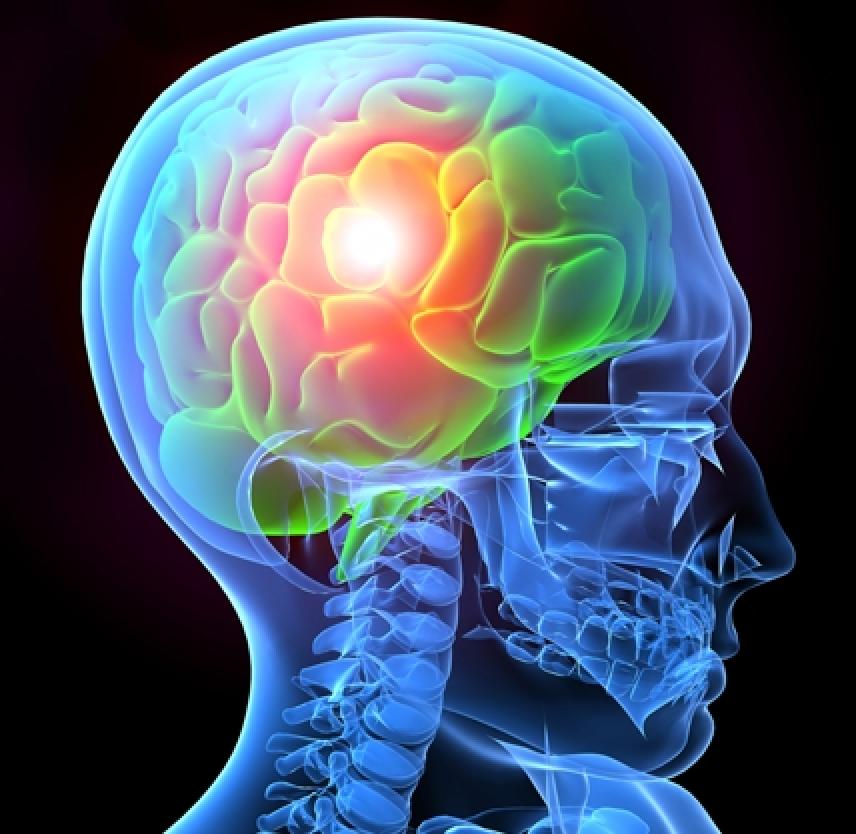
Traumatic brain injury is a health issue that affects many people all over the world. TBIs caused by car accidents or falls, sports injuries, or acts of violence can cause mild concussions and severe brain damage. Understanding a TBI and its effects on the brain is essential to providing support and care for those suffering from it.
What Is Traumatic Brain Injury (TBI)?
A traumatic brain injury occurs when an outside force harms the brain. This can cause temporary dysfunction of the brain cells or long-term structural damage. TBIs typically fall into three major categories:
- Mild Traumatic Brain Injury: Short-term confusion or loss of consciousness.
- Moderate Traumatic Brain Injury: Lengthier periods of unconsciousness or loss of memory.
- Severe TBI: Prolonged unconsciousness, coma, or even permanent brain damage.
Each category is unique, but even a mild TBI could lead to serious long-term problems if it’s not treated.
Symptoms: Immediate And Short-Term Effects
Depending on the location and extent of the damage, symptoms of TBI may vary. Symptoms of TBI include the following:
- Headaches
- Dizziness
- Nausea or vomiting
- The Slurred Language
- Blurred sight
- Memory problems
- Sensitivity to sound or light
Seizures and prolonged unconsciousness are common in severe cases. Even if symptoms are mild at first, immediate medical attention is necessary.
EEG Tests And Diagnosis
To diagnose a TBI, a combination of physical exams, imaging studies such as CT scans and MRIs, as well as neurological assessments, is employed.
EEG tests measure the electrical activity of the brain. These are very useful in detecting abnormalities in brain waves, which could be indicative of damage, seizures, and other neurological disorders caused by TBI. If you are wondering how an EEG can help in your recovery, read https://www.southvalleyneurology.com/blog/how-can-an-eeg-test-help-you for more information.
EEGs can reveal ongoing brain disruptions that are not visible on imaging scans. This makes it an important tool for guiding long-term treatment plans.
TBI Long-Term Effects
While some people recover quickly from a mild TBI after a few short weeks, others suffer from persistent symptoms that may last for several months or possibly even years. These are often called chronic TBI symptoms or post-concussion. You may experience:
- A difficulty concentrating or processing data
- Chronic Fatigue
- Anxiety Disorder or Depression
- Personality Changes
- Sleep disturbances
In severe situations, an individual may have a permanent disability, which requires full-time assistance or rehabilitation. TBI affects relationships, employment, and the overall quality of your life.
Rehabilitation And Recovery
Recovery is not always a straight road. Multidisciplinary approaches are needed, including:
1. Physical Therapy
The goal is to help patients gain mobility, strength, and balance.
2. Occupational Therapy
For relearning everyday activities such as dressing, writing, or cooking.
3. Speech and Language Therapy
For individuals with communication difficulties or cognitive impairments.
4. Cognitive Rehabilitation
Focuses on memory, attention, problem-solving, and organizational skills.
5. Psychological counselling
You can help your patients and their family members cope with the mental and emotional challenges they face as a result.
Some patients might also need medication for symptoms such as headaches, seizures, or anxiety. EEG tests enable neurologists to monitor brain function and determine if any medication adjustments are necessary during recovery.
Family And Social Services
The involvement of the family is vital to the healing process. TBI can change someone’s personality and behavior. The loved ones of TBI patients often act as caregivers, advocates, and educators. They need to be supported and educated on TBI management.
Support groups, both online and in person, can provide emotional relief as well as practical advice to those who are trying to navigate life after a head injury.
Conclusion
Traumatic brain injuries may significantly impact a person’s life. However, they are not impossible. Medical care, EEG tests, and therapy are all tools that can help people regain their independence. Whether it is a mild or severe injury, early diagnosis and consistent care are the keys to long-term rehabilitation.
Understanding TBI, its challenges, and potential solutions will help reduce the stigma associated with it and foster a more supportive environment for TBI victims and their families. If you or someone you love has suffered a serious head injury, do not hesitate to seek professional evaluation. Consider how tools such as EEG may make a significant difference on the road to recovery.
also read: remote-therapy