
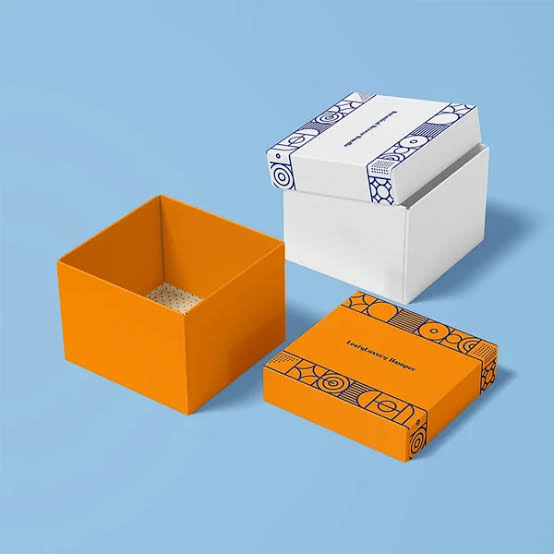
How to Choose a Two Piece Rigid Box for Bakery Gift Sets
Bakery gift sets are often purchased for birthdays, holidays, corporate events, weddings, and seasonal promotions. In these situations, the packaging does more than hold the products. It protects delicate baked goods, supports an attractive presentation, and shapes the customer’s first impression of the gift.
Choosing the right box therefore requires more than selecting a pleasing color. Bakeries should consider product arrangement, material strength, food safety, transportation, and the customer’s unboxing experience.
Start With the Bakery Products
The box structure should be selected according to the size, weight, and fragility of the products inside. Cookies and individually wrapped pastries may only require a shallow box, while a mixed gift set containing cakes, jars, chocolates, or coffee accessories needs more internal depth and support.
Before confirming the dimensions, arrange the complete gift set in its intended order. Measure the total length, width, and height, then add enough clearance for inserts and easy product removal.
A box that is too tight can damage frosting, decorations, and fragile edges. A box that is too large allows products to move during delivery and may make the gift set appear less valuable.
Choose the Right Board Thickness
Rigid bakery boxes are generally made with thick paperboard wrapped in decorative paper. The board thickness should match the total weight of the gift set.
Light cookie assortments can use relatively thin rigid board, while gift sets containing glass jars, bottled drinks, or several dense products need a stronger structure. Increasing board thickness improves resistance to bending and side pressure, but it also raises material cost and shipping weight.
The goal is not to choose the thickest board available. It is to select a structure that remains stable when lifted, stacked, and transported under normal distribution conditions.
Design a Practical Insert
An insert keeps bakery products organized and prevents them from colliding. It also creates a more intentional presentation when the customer opens the box.
Paperboard dividers work well for wrapped cookies, chocolates, and small pastries. Food-grade plastic trays can provide accurately shaped cavities, while molded pulp inserts offer a more natural appearance. Foam may be suitable for non-food accessories but should not directly contact unpackaged baked goods unless it meets the required food-contact standards.
The insert should be easy to remove and should not trap the products so tightly that customers damage them while taking them out.
Consider Food Contact and Grease Resistance
Many decorative papers are not designed for direct food contact. If baked goods are not individually wrapped, the box should include a certified food-safe liner, tray, or grease-resistant barrier.
Butter, cream, and oil can migrate into ordinary paper and leave visible stains. This quickly reduces the premium appearance of the gift set. A suitable internal barrier protects both the packaging and the product.
Bakeries should also consider ventilation. Warm pastries packed too soon can create condensation, soften crisp products, and shorten their acceptable display period. Packaging should only take place after products have cooled to the appropriate temperature.
Match the Finish to the Brand
The exterior should reflect the bakery’s positioning. Soft colors, uncoated paper, and subtle printing often suit handmade or natural bakery brands. Deep colors, textured paper, foil stamping, and embossed logos can create a more formal luxury appearance.
However, decoration should support the design rather than overwhelm it. One carefully placed logo often looks more refined than several large promotional messages.
For seasonal collections, bakeries can keep the main box structure consistent and change the sleeve, ribbon, label, or printed wrap. This reduces the need to produce a completely different box for every holiday.
Test the Opening Experience
The lid should lift smoothly without being excessively loose. If the fit is too tight, customers may need to pull forcefully, causing the contents to shake. If it is too loose, the lid may separate during handling.
A controlled fit creates a slower, more deliberate reveal and reinforces the impression of quality. Before mass production, test samples with the actual bakery products, inserts, wrapping materials, and decorative accessories.
Ask several people to open and carry the sample. Their feedback can reveal practical problems that are easy to miss during design approval.
Plan for Storage and Delivery
Two-piece rigid boxes occupy more storage space than folding cartons because they are normally delivered pre-assembled. Bakeries should confirm that they have enough clean, dry storage space before ordering a large quantity.
Delivery conditions also matter. If the gift sets will be shipped by courier, the presentation box should usually be placed inside a separate corrugated shipping carton. The decorative box is designed for presentation and product organization, not as the only layer of protection against rough parcel handling.
Drop tests and short delivery trials can help determine whether additional corner protection, cushioning, or sealing is required.
Review Samples Before Ordering
Screen colors and digital renderings cannot fully represent paper texture, foil reflection, printing accuracy, or lid fit. A physical prototype is therefore essential.
When evaluating a sample, check the corners, wrapped edges, surface cleanliness, insert alignment, odor, and overall structural stability. Discuss acceptable tolerances and inspection standards with the rigid box manufacturer before production begins.
The most suitable bakery gift box is not simply the most decorative option. It should protect the food, present every item clearly, support efficient packing, and remain attractive until it reaches the recipient. When structure, materials, and presentation are considered together, the packaging becomes a meaningful part of the bakery gift itself.


