Do Robot Vacuums Work Well on Carpets?
Robot vacuums can clean carpets efficiently, but their efficacy is dependent on suction power, brush design, and carpet type. While early versions struggled with thicker surfaces, today’s modern robot vacuums include capabilities designed specifically for carpet cleaning. These features include powerful motors, adaptable suction, and multi-surface brush rolls. However, not all models produce comparable results, particularly on high-pile rugs or dense carpets. Choosing the proper vacuum and adjusting the settings may considerably increase carpet cleaning performance. This tutorial describes how robot vacuums work with carpets, what features make a difference, and how to get the most out of your device for cleaner floors.
How Do Robot Vacuums Clean Carpets?
Suction Power and Carpet Cleaning Efficiency
Suction power is important to a robot vacuum’s ability to clean carpets effectively. Carpets retain dust, hair, and tiny debris deep within their fibers, necessitating high airflow to properly remove dirt. Many high-end versions now include adaptive suction, which automatically rises when a carpet is detected. This improves penetration without wasting battery power on hard flooring. Entry-level versions with lesser suction can still handle low-pile rugs, although they frequently overlook trapped particles. Look for devices rated at 2000Pa or greater for consistent performance on medium to high-pile carpets. Efficient suction is required not just for cleanliness, but also to improve air quality by eliminating allergens trapped in carpet fibers.
Brush Systems and Carpet Agitation
The shape of a robot vacuum’s brush has a considerable impact on how successfully it agitates and removes particles from carpets. Most robot vacuums employ a single brush roll or a dual-brush system that combines soft bristles and rubber fins to remove particulates. Dual-roller devices are more effective in untangling pet hair and digging into medium to high pile carpet. Some types include floating brush heads that adapt to the floor height, ensuring contact across uneven surfaces. Tangle-free designs and self-cleaning brushes help to decrease maintenance and prevent clogs. A robust brush mechanism, combined with suction, ensures excellent carpet cleaning. Even tremendous suction, without sufficient agitation, can leave embedded debris behind, particularly in dense or textured carpets.
Adapting to Different Carpet Piles
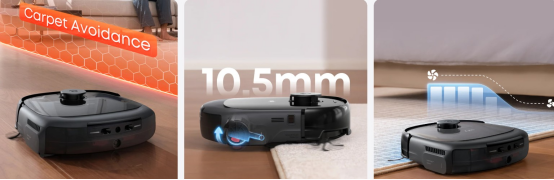
For robot vacuums to clean well without becoming stuck, they must be able to adjust to low, medium, and high-pile carpets. Thick or shag rugs can impede movement or clog brushes, while low-pile carpets provide no difficulty. Certain high-end versions have sensors that recognize variations in floor height and modify their motor speed or suction accordingly. If a carpet is overly soft or has dark patterns that fool Cliff’s senses, some people could completely avoid it. Choose a model with dynamic suction modes or an adjustable brush height to clear different pile heights. Multi-surface models usually maintain traction and manage transitions better without sacrificing cleaning quality.
How to Maximize Robot Vacuum Performance on Carpets?
Choosing the Right Robot Vacuum for Carpets
To clean carpets effectively, select the best robot vacuum with high suction power, carpet boost mode, and strong brush systems. Look for models with two rubber brushes, which are more effective at removing trash and preventing tangles from pet hair. LIDAR or visual mapping aids in avoiding repeated passes or lost opportunities. If your home has both hard and carpeted floors, choose a vacuum with several floor maps. Read product specifications and reviews that especially address carpet performance, since some vacuums excel on hard floors but struggle on carpets. To minimize stalling or brush motor damage while cleaning high-pile carpets, select a model that can handle thicker textures.
read more : https://prixdesmenus.com/
Regular Maintenance for Optimal Cleaning
Consistent maintenance ensures that your robot vacuum performs properly on carpets. Empty the trash periodically to keep suction strong, especially after carpet cleaning sessions that accumulate more dirt. Clean the brushes on a weekly basis to eliminate tangled hair and fibers, and check for clogged intakes. Filter maintenance is also required—tap out dust or change it on a regular basis, depending on consumption. Inspect the wheels and sensors to guarantee smooth movement and proper carpet detection. Hair accumulation on the roller can impair cleaning efficacy, especially on carpets with a deep pile. A clean, well-maintained robot vacuum not only lasts longer, but also produces more consistent results across your home’s carpeted areas.
Setting Up Cleaning Schedules and Zones
Carpets keep cleaner longer when they are cleaned on a regular basis, especially in high-traffic areas. Set daily or weekly routines for your robot vacuum using the app’s usage trends. Most programs allow you to split your house into zones, so you may prioritize carpeted areas such as living rooms or bedrooms. Some versions include double-pass cleaning, which is useful for more thorough carpet refreshes. You may even create virtual no-go zones to keep the vacuum from going into areas like fringe rugs or fragile surfaces. Targeted scheduling allows the vacuum to maintain peak performance without overworking its motor or battery. Smart mapping, paired with planned routines, ensures that your carpeted areas stay fresh with little effort.
Conclusion
Robot vacuums may perform effectively on carpets, particularly when equipped with powerful suction, sophisticated brushes, and clever adaptive technology. While most models can handle low-pile carpets, larger or shag carpets may necessitate more advanced cleaning options. Choosing a model designed for carpets, conducting regular maintenance, and creating sensible cleaning routines all help to improve outcomes. Not all robot vacuums are the same; some thrive on bare floors but struggle on textured surfaces. Understanding how these devices clean and how to use them effectively allows you to get cleaner carpets with less manual work and more consistent cleaning performance over time.