How to Stream Your Gameplay
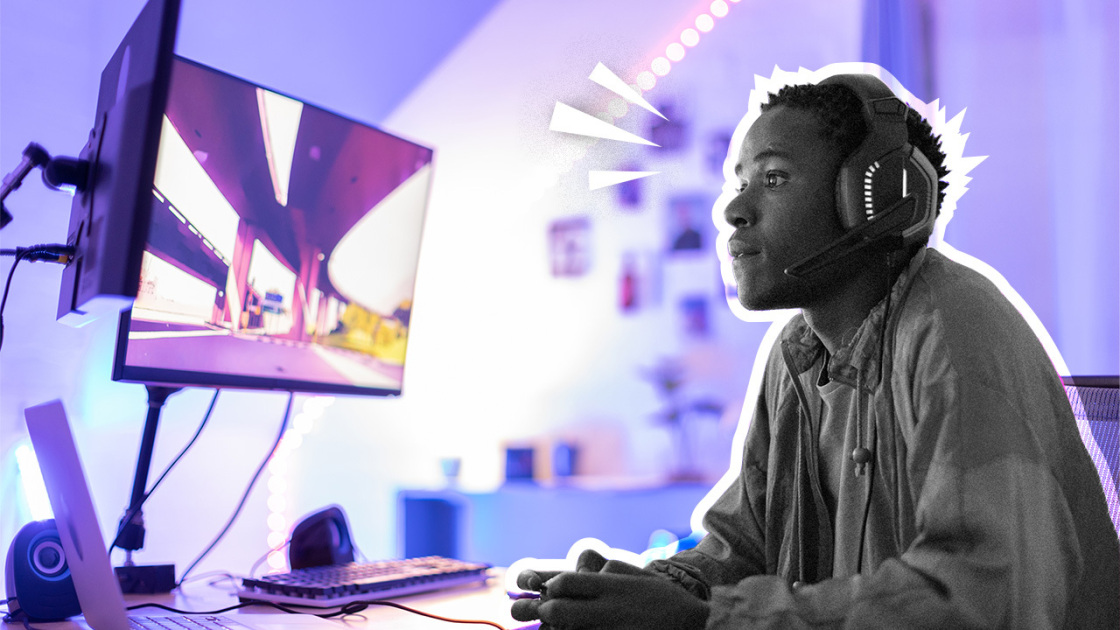
Streaming has become one of the most exciting ways to share your passion for gaming with the world. Whether you dream of building a community on Twitch or just want to showcase your skills to friends, the right setup can make all the difference. This guide on how to stream your gameplay walks you through the essentials — from gear and software to lighting, sound, and engagement strategies — so you can look, sound, and perform like a professional. For more gaming and tech insights, check out https://www.prosoundnewseurope.com.
Streaming isn’t just about playing games; it’s about creating an experience. Viewers stay for the personality, quality, and consistency that make your content unique.
Choose the Right Streaming Platform
Before setting up, decide where you’ll broadcast your content. Each platform offers unique benefits depending on your audience and goals.
|
Platform |
Best For |
Key Features |
|
Twitch |
Broad gaming audiences |
Largest gaming community, affiliate program, extensions |
|
YouTube Gaming |
Long-form and archived content |
Seamless integration with existing YouTube channels |
|
Kick |
Emerging creators |
High revenue share and relaxed content guidelines |
|
Facebook Gaming |
Community streaming |
Social integration and discoverability |
|
TikTok Live |
Mobile and short-form creators |
Vertical streaming and fast audience growth |
Pro Tip: Start on one platform, build consistency, and then expand — managing multiple platforms too early can split your focus.
Essential Hardware for Streaming
Quality equipment doesn’t need to break the bank, but investing in good hardware will help your stream look and sound professional.
|
Equipment |
Recommended Models (2026) |
Why It Matters |
|
PC or Console |
RTX 4070+ or next-gen console |
Ensures smooth performance while streaming |
|
Capture Card |
Elgato HD60 X / AverMedia Live Gamer 4K |
Transfers gameplay footage to your streaming PC |
|
Camera |
Logitech BRIO 2 / Elgato Facecam Pro |
Provides crisp, high-resolution facecam visuals |
|
Microphone |
Shure MV7 / Elgato Wave 3 |
Clear, professional voice quality |
|
Lighting |
Elgato Key Light Air / Govee AI Light Bars |
Enhances your on-camera appearance |
|
Headphones |
SteelSeries Arctis Nova 7 / HyperX Cloud Alpha 2 |
Isolates sound and prevents mic echo |
Position your camera at eye level, use soft front lighting, and minimize background noise for a clean, studio-quality feel.
Set Up Your Streaming Software
Your broadcast software is the heart of your stream. It controls visuals, audio, and scene transitions.
Top Streaming Programs for 2026:
- OBS Studio: Free, flexible, and packed with plugins. Perfect for intermediate and advanced users.
- Streamlabs Desktop: Ideal for beginners with built-in widgets and easy overlays.
- Twitch Studio: Simplified setup for Twitch streamers with automatic configuration.
- XSplit Broadcaster: Premium option for multi-platform streaming and scene control.
Setup Steps:
- Add your video capture source (game or console).
- Include audio inputs (microphone and system sound).
- Set up your facecam for personal connection.
- Add alerts and overlays for interaction.
- Test everything before going live.
Stream at 1080p/60fps with a bitrate of 6,000–8,000 kbps for best results, ensuring your internet upload speed is at least 10 Mbps.
Optimize Your Stream’s Look and Feel
Presentation matters as much as gameplay. Build your stream’s identity with custom graphics and sound.
Customization Tips:
- Use consistent branding — same colors, fonts, and logos across overlays.
- Add animated alerts for new followers, subscribers, and donations.
- Include music (licensed or royalty-free) to enhance energy.
- Create multiple scenes (gameplay, “Just Chatting,” starting soon, and BRB).
- Use chat widgets and event tickers to stay interactive.
A visually cohesive stream makes your channel look professional and memorable.
Engage and Grow Your Audience
Your community is the backbone of your channel. Building engagement takes time, effort, and authenticity.
Best practices for audience growth:
- Greet viewers personally and respond to chat messages often.
- Keep a consistent streaming schedule — reliability builds trust.
- Collaborate with other streamers to cross-promote audiences.
- Host giveaways, polls, or viewer challenges to keep the vibe lively.
- Clip highlights for TikTok, YouTube Shorts, and Instagram to grow visibility.
Remember: people follow streamers who entertain and connect — not just those who play well.
Audio and Lighting Tips for Pro-Level Quality
Even the best gameplay can fall flat without good sound or lighting.
Audio:
- Place your mic about 6–8 inches from your mouth.
- Use a pop filter or foam cover to reduce plosives.
- Adjust gain to avoid distortion during loud moments.
- Use noise suppression filters in OBS or Streamlabs.
Lighting:
- Position lights at 45-degree angles from your face for soft shadows.
- Use RGB accent lights to match your gaming theme.
- Avoid harsh overhead lighting that casts unwanted shadows.
Great lighting and audio make your stream instantly feel more professional — often more than upgrading your camera.
Advanced Setup Tips for Experienced Streamers
If you’re serious about streaming full-time, consider expanding your setup:
- Dual PC Setup: One for gaming, one for streaming, reduces performance drops.
- Stream Deck: Assign macros for scene switching, sound effects, and chat commands.
- Acoustic Panels: Minimize echo for better voice clarity.
- Green Screen: Add dynamic backgrounds or gameplay overlays.
- AI Tools: Use real-time captioning, moderation bots, and automated highlight generation.
These extras streamline your production and help you focus on creating great content.
Common Mistakes to Avoid
Even seasoned streamers make technical and presentation errors. Here’s what to watch out for:
- Ignoring audio balance — your game shouldn’t drown out your voice.
- Forgetting to check internet stability before going live.
- Overloading your layout with too many animations or text.
- Being inconsistent with stream times.
- Neglecting your chat community.
Professional streamers know consistency and quality always beat flashiness.
Final Thoughts
Learning how to stream your gameplay is all about mastering the balance between performance, presentation, and personality. With the right equipment, software, and mindset, anyone can create professional-level broadcasts that attract loyal viewers. Take your time to refine your setup, interact genuinely, and keep improving your craft — because every successful streamer started exactly where you are now: pressing “Go Live” for the first time.