

Video Doorbell Features That Actually Matter
Video doorbells boost front-door awareness, but only select features promote daily security. Buyers often value brand names or other features that seldom impact usage. It is more crucial to consider how neatly the camera captures events, how consistently the system identifies activity, and how easily individuals can view footage. Power stability, software support, and alert control all have an impact on long-term satisfaction. This article highlights video doorbell qualities that are important after installation. Each section illustrates how different capabilities affect daily monitoring, reaction time, and reliability for homeowners who want dependable protection without extra complexity or technical add-ons.
Which Camera Capabilities Truly Affect Daily Monitoring?
Image Clarity, Color Accuracy, and Motion Smoothness
Image clarity impacts whether film is useful for examining events. Higher resolution makes it easier to recognize faces, clothes, and packaging details. Accurate color reproduction eliminates confusion produced by washed-out or oversaturated visuals. Motion smoothness is also vital since choppy footage might mask minor but significant events. A consistent frame rate makes movement simpler to track, especially when individuals walk fast across the camera’s vision. Sharp quality, realistic colors, and fluent motion all contribute to increased confidence, whether checking alerts or sharing footage. These aspects allow consumers to comprehend what happened without having to watch the film or infer things that the camera should have caught clearly the first time.
Doorstep Coverage and Blind Spot Reduction
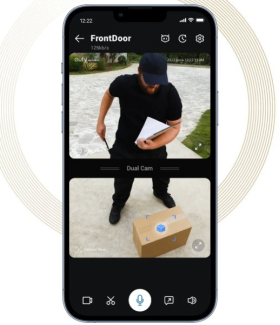
Coverage determines how much of the entering area the camera observes. A limited vision may overlook packages put near the entrance or people standing off to the side. Wider angles and symmetrical vertical framing prevent blind spots near the entryway. Proper positioning, paired with smart lens design, guarantees that the camera captures both head-to-toe views and ground-level action. Good coverage reduces the likelihood of missing occurrences and lessens dependence on guessing. When users can view the whole approach route and doorstep area, they have a better context for notifications and prevent arguments over deliveries or unexpected activities near the entry.
Nighttime Visibility in Low-Light Conditions
Nighttime performance determines how helpful a video doorbell is after nightfall. Infrared night vision provides basic visibility, while color night vision adds context by highlighting clothes and objects more vividly. Low-light sensors aid in the reduction of grain and motion blur in dark settings. Consistent lighting across the frame keeps key elements from slipping into the shadows. Reliable nighttime visibility aids security when most suspicious behavior happens. Homeowners benefit from clear footage without the need for additional illumination. Strong low-light performance guarantees that the camera protects the house 24/7, not only during daylight hours when vision is naturally greater.
How Do Detection and Alerts Influence Real Security?
Detection Precision and False Alert Reduction
Detection accuracy determines whether alerts from a doorbell camera feel helpful or annoying. Poor systems send alerts for shadows, rain, or passing autos. Precise detection enables the doorbell camera to focus on significant activity near the door. Adjustable sensitivity settings allow customers to fine-tune doorbell camera functionality based on location. Fewer false warnings increase trust in the system and encourage faster responses. When consumers feel that notifications indicate true happenings, they respond without hesitation. Reliable detection also saves battery life and prevents needless recordings. Over time, reliable warnings make the doorbell camera feel like a security utility rather than a loud gadget that people learn to ignore or turn off completely.
Object Awareness for Visitors, Deliveries, and Movement
Object awareness provides context for motion detection. Systems that recognize persons, parcels, and cars deliver more detailed information at a glance. Knowing if an alert is for a visitor or a delivery saves time. Package detection prevents theft by alerting users as soon as products arrive. Visitor recognition enables improved communication and faster decision-making. Object-based alerts lessen cognitive load by clarifying what caused the warning. This clarity enhances daily use and enables people to respond correctly. Instead of monitoring every alert, homeowners may focus on critical occurrences and be informed without being constantly interrupted by generic motion warnings.
Alert Timing, Notification Control, and Responsiveness
Alert time influences how soon users can respond. Delayed alerts diminish the effectiveness of real-time monitoring. Fast notifications enable users to remotely answer the door or dissuade suspicious activity. Controlling notifications is equally important. Users should select alert kinds, schedules, and priority levels. Custom settings avoid overload during peak hours while important alarms remain active. The smooth reaction of the warning, live view, and audio guarantees that the system seems reliable. When warnings come on time and perform as expected, users remain engaged with the system and depend on it as part of their regular security routine.
What Practical Factors Matter After Installation?
Power Reliability, Battery Drain, and Charging Cycles
The frequency at which the doorbell operates is determined by its power supply. Battery-powered devices provide for more flexibility in installation but require frequent charging. Efficient hardware and sophisticated recording schedules help to decrease battery consumption. Wired alternatives offer consistent power but limit location. Clear battery status alerts allow consumers to schedule charging before outages occur. Frequent downtime reduces security and trustworthiness. Long charging cycles and consistent performance enhance convenience. Users benefit from systems that balance power consumption and performance needs. Choosing a model with established power management lowers maintenance time and assures that the doorbell works when it is most required, without continual monitoring or sudden shutdowns.
Video Access, Playback Speed, and Event History
Easy access to recorded video influences daily usefulness. Fast loading times alleviate irritation when evaluating notifications. Smooth playback allows consumers to grasp events without buffering or skipping frames. Clear timelines and filters help you discover certain clips. The duration of the event history defines how far back users may go when reviewing activities. Intuitive controls enable rapid downloading and sharing. Poor interfaces consume time and discourage reviewing. A well-designed software makes a film usable rather than buried. Efficient access allows consumers to confirm occurrences, rectify difficulties, and feel educated without spending too much time exploring menus or waiting for the video to load.
Software Updates, Ecosystem Support, and Longevity
Software support influences how long a video doorbell is usable. Regular updates address issues, enhance detection, and include new functionality. Strong ecosystem support enables integration with other smart home devices. Long-term compatibility eliminates forced upgrades due to out-of-date applications. Brands that support software preserve users’ investments over time. Clear update policies indicate a commitment to product lifetime. Without support, hardware performance degrades as platforms advance. Homeowners benefit from systems that enhance rather than degrade following purchase. Reliable software guarantees that the doorbell adjusts to changing security demands and continues to provide value years after installation.
Conclusion
The most important video doorbell features are those that allow for real-world application. Clear video, consistent night visibility, precise identification, and timely alarms are the foundations of effective monitoring. Practical considerations such as power stability, ease of playback, and continued software maintenance influence long-term pleasure. Extra features are of little use if core performance is inadequate. Homeowners should focus on how the system performs after installation rather than just the specs. Users may pick a video doorbell that improves security, lowers stress, and provides constant performance throughout daily life without extra complexity or frequent maintenance difficulties by focusing on dependability, clarity, and control.