
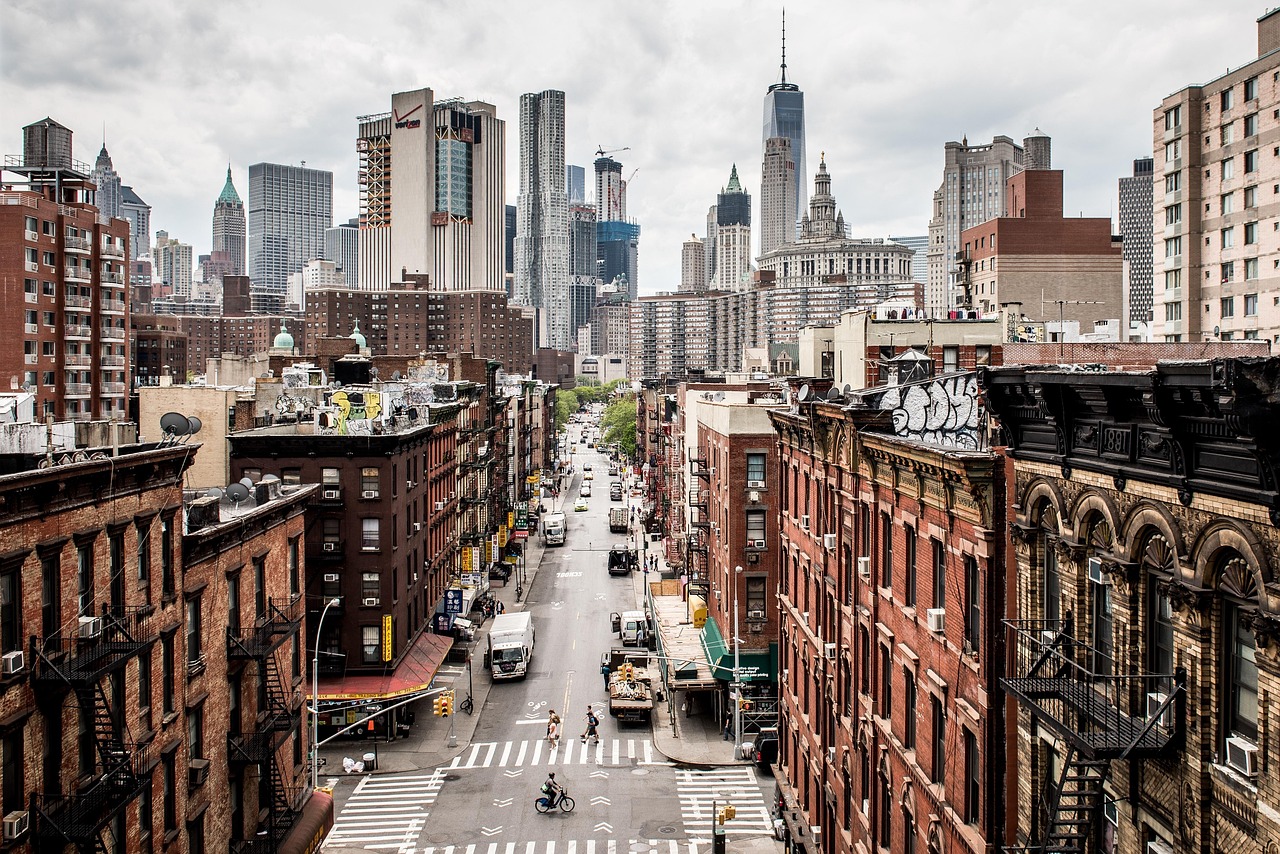
Time in New York: How the City That Never Sleeps Moves Through the Hours
Time is universal, yet no two places experience it the same way. Nowhere is this more evident than in New York City—a place where the ticking of the clock seems both ever-present and somehow irrelevant. Officially, New York follows Eastern Time, but life here beats to a faster, more intense rhythm. In this global metropolis, “time” is currency, competition, and culture—wrapped into one relentless forward motion.
Despite its rigid structure of schedules and deadlines, New York operates with a certain fluidity. The exact time in New York can tell you when the markets open or when the subway will arrive, but it won’t capture the essence of the city’s true rhythm—because here, every second counts, and every moment is in motion.
Time Zones and the Nature of Time in New York
New York lies within the Eastern Time Zone (ET), which is 5 hours behind Coordinated Universal Time (UTC) in winter and 4 hours behind during daylight saving time in the summer months. As in most parts of the United States, clocks spring forward in March and fall back in November. This change isn’t just technical—it subtly shifts the entire city’s daily flow.
When daylight saving time begins, New York gains an extra hour of light in the evening. For a city where after-hours life is as important as daytime productivity, this shift matters. Happy hours stretch longer, parks stay busy later, and the skyline remains illuminated by both sun and skyline reflections.
The local time in New York plays a key role in synchronizing a city where global business, late-night entertainment, and early morning hustle all coexist. Trains, flights, financial transactions, and even Broadway performances rely on it to keep the city functioning with the precision of a Swiss watch—albeit a very loud, fast-moving one.
Living on the Edge of Time: Daily Life in New York
New York doesn’t wake up—it pulses to life. The day begins early for many: bakers, delivery workers, stockbrokers, and commuters fill the streets well before sunrise. Coffee shops open by 5:30 AM, catering to those who need a head start. The New York Stock Exchange’s opening bell at 9:30 AM isn’t just a market signal; it’s a symbol of the city’s economic heartbeat.
Lunch is usually short and on-the-go. Standing-room-only delis, park benches, and food trucks reflect a city that rarely pauses. And while other cities slow down after 6 PM, New York speeds up. Dinner reservations stretch to 10 PM, concerts and comedy shows don’t begin until late, and subway stations remain lively into the early morning hours.
Time in New York doesn’t just measure productivity—it molds identity. Here, being “on time” means survival. Being early is power. And being late? That’s not an option.
The Timeline of a City: How Time Evolved in New York
In the early 19th century, New Yorkers, like much of the world, lived by solar time. Noon was whenever the sun stood highest in the sky. But by the mid-1800s, the rise of railroads—and New York’s central role as a transportation hub—demanded synchronization.
It was the railways and Wall Street that forced the city to adopt standardized time. On November 18, 1883—known as “The Day of Two Noons”—railroads across the country adopted time zones, and New York officially entered Eastern Standard Time.
Since then, the pace of life has only accelerated. Skyscrapers and subways rose alongside clocks and schedules. By the 20th century, “New York minute” had already entered the language to describe something that happens almost instantly—because in this city, even a second can change your life.
Smart City, Smart Time: New York’s Technological Age
In the 21st century, New York has embraced its role as a digital capital. From real-time subway countdowns to predictive traffic light systems, technology is helping residents reclaim minutes in a city where time is always slipping away.
Time management apps, flexible work policies, and remote job options have transformed the way New Yorkers structure their day. Especially after the pandemic, working from home has blurred traditional work hours. This shift has led many to rethink how they allocate their hours—not by clocking in and out, but by prioritizing outcomes and well-being.
Globalization, too, plays a significant role. Wall Street traders sync with London in the morning and Tokyo by night. International fashion shows, film festivals, and diplomatic summits keep New York constantly tuned to global clocks. The exact time in New York isn’t just about local life—it’s a timestamp in the global matrix of finance, culture, and influence, a central reference point for tracking time in the USA and beyond.
Final Thoughts:
New York lives not by the hour, but by the moment. The city that never sleeps is also the city that never pauses. Rooted in the Eastern Time Zone, it balances historical tradition with technological innovation, speed with intention, chaos with structure.
From the days of solar time to the era of smart scheduling, New York has always adapted how it uses time to match its ambitions. In a place where every minute can be a breakthrough—or a missed opportunity—time isn’t just measured, it’s lived.
FAQ:
What time zone is New York in?
New York is in the Eastern Time Zone (ET), which is UTC -5 in winter and UTC -4 during daylight saving time.
Does New York observe daylight saving time?
Yes. Clocks move forward one hour in March and back one hour in November, extending evening daylight.
How does the time zone affect daily life in New York?
Time influences every layer of city life—from financial markets and transit systems to nightlife and international business meetings.
How has modern technology changed time management in New York?
Real-time data, smart infrastructure, and flexible work have made time more manageable and customizable, giving New Yorkers new ways to live and work more efficiently.
also read: iconic-cakes